Hey Cricket Enthusiasts,
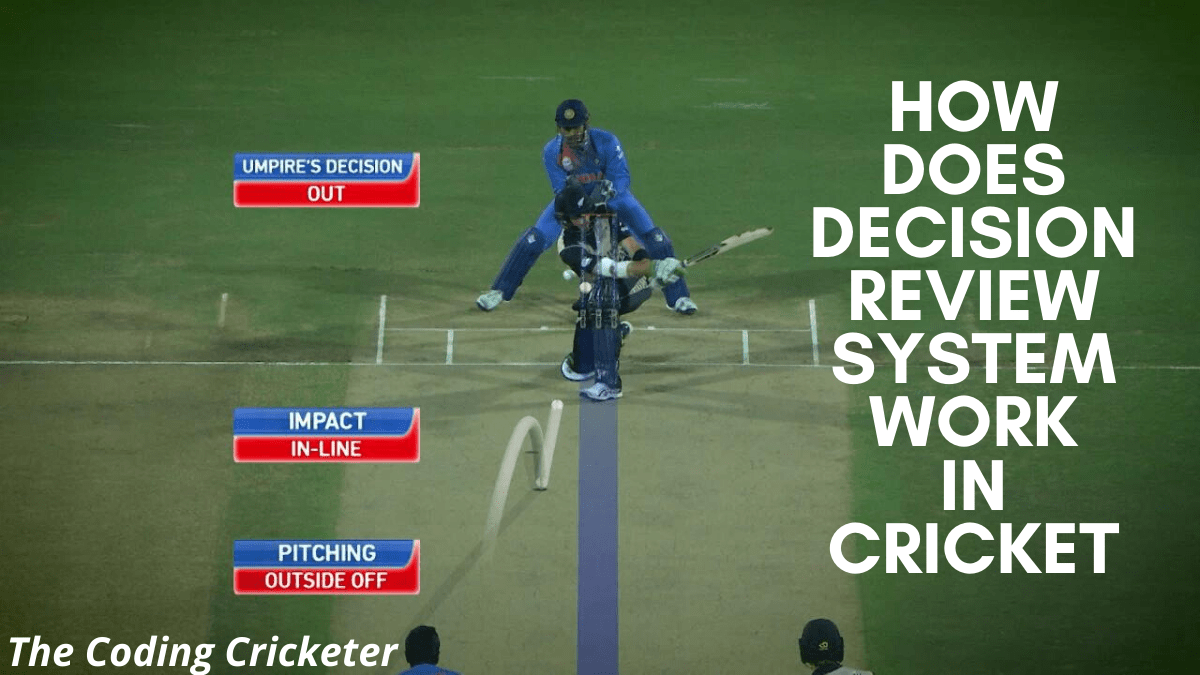
In this article, I am going to talk about how the Decision Reviewing System (DRS) or the Umpire Decision Review System (UDRS) work in cricket.
What is DRS?
This a technology-based system that match officials use to help the players and the onfield umpires.
How can you get to use it as a player or an umpire?
So, to get the help of this system, you need to ask for a review. There are two types of reviews.
1. Umpire Reviews
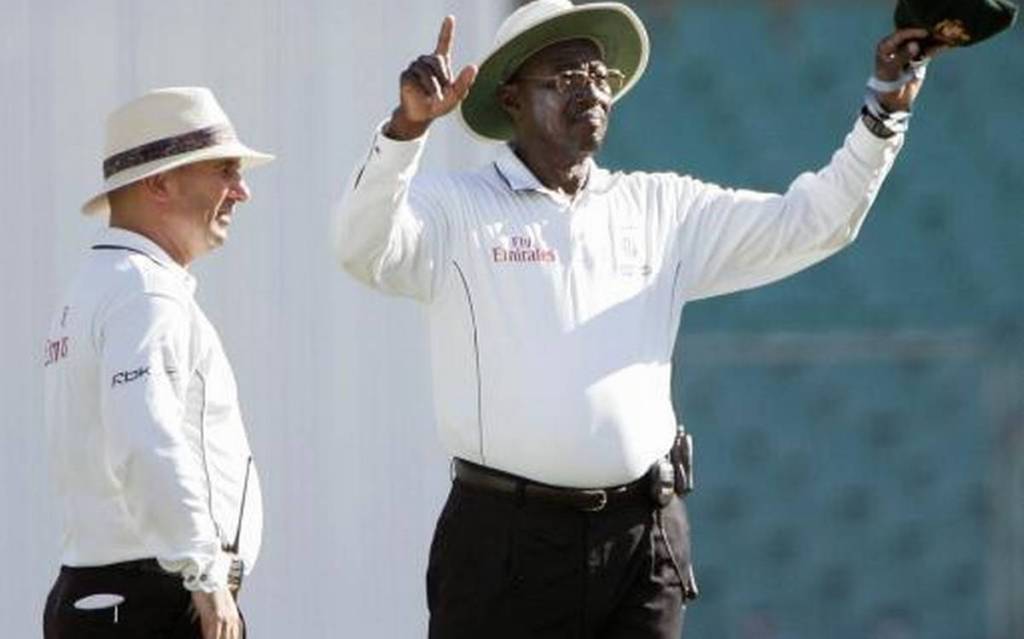
The onfield umpires can ask for the help of the DRS if he doesn’t have enough evidence to give the decision by himself. He can use the “making a rectangle” kind of signal that is used to send it to the third umpire.
2. Player Reviews
The two teams get a certain number of reviews for each team. If the team is batting, the batsmen onfield gets to take the review. And when fielding, the fielding team’s captain can take the review.
How do you signal to take the review?
The player who is going to ask for the referral should signal a T sign with his hands.
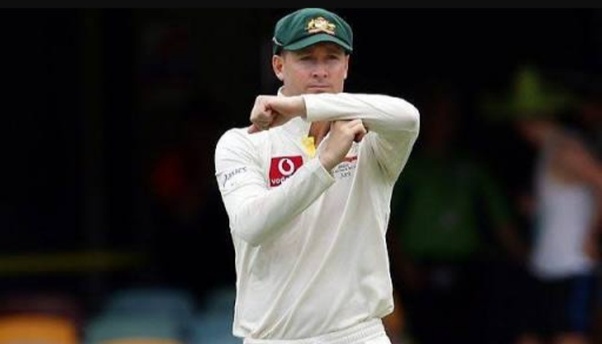
Image Source – Quora’s answer from Suyash Patil
How many reviews do players get in each format?
In tests, each side gets two reviews at the beginning of every inning. After 80 overs of play, the reviews will be renewed.
In ODIs, each side gets only one review which is pretty tricky. You have to use it wisely.
In T20Is, each side gets one review.
If a team takes a review and it becomes successful, then they get to retain the review.
What are the technologies this system consist?
1. Slow Motion Replays
The third umpire can use the slow-motion cameras to decide,
- Whether a catch was taken cleanly
- Whether the ball hit the bat or the pad first
- Whether the ball went for a six or a four
- Whether the fielder caught and threw the ball before stepping over the boundary line and etc.
2. Hawk-Eye / Ball Tracking

Image Source – hawkeyeinnovations
The Hawk-Eye is used to predict how the ball is going. This technology is used basically to decide if LBW decisions are correct or not.
This considers 4 basic things into when making the decision.
- If the ball is a no-ball or not
- Pitching ( Where did the ball pitch)
- Impact ( Where did the ball hit first)
- If the ball is hitting the wickets or not
I am not going to talk about how Hawk-Eye goes through the process. Read my article about Hawk-Eye to learn in-depth about this technology.
3. Edge Detection (Hot Spot and Snicko / Ultra Edge)
Hot Spot or Snicko is used to detect whether the ball hit the bat. This is very useful for players because the onfield umpires sometimes have to go with their instincts as the noise of the crowd gets too loud. This technology can catch the faintest of edges.

Image Source – chintanmistryyr10pass.weebly.com
To learn more about Hot Spot, read my article about Hot Spot here.
I hope you learned something valuable from the article. If you have any doubts, comment down below. Thank you for taking the time to read my article. See you later ❤🙌
 The Coding Cricketer