In this article, I am going to talk about the responsibilities of the 4th and 5th umpires in cricket.
How many umpires are there in a cricket match?
There are 5 umpires.
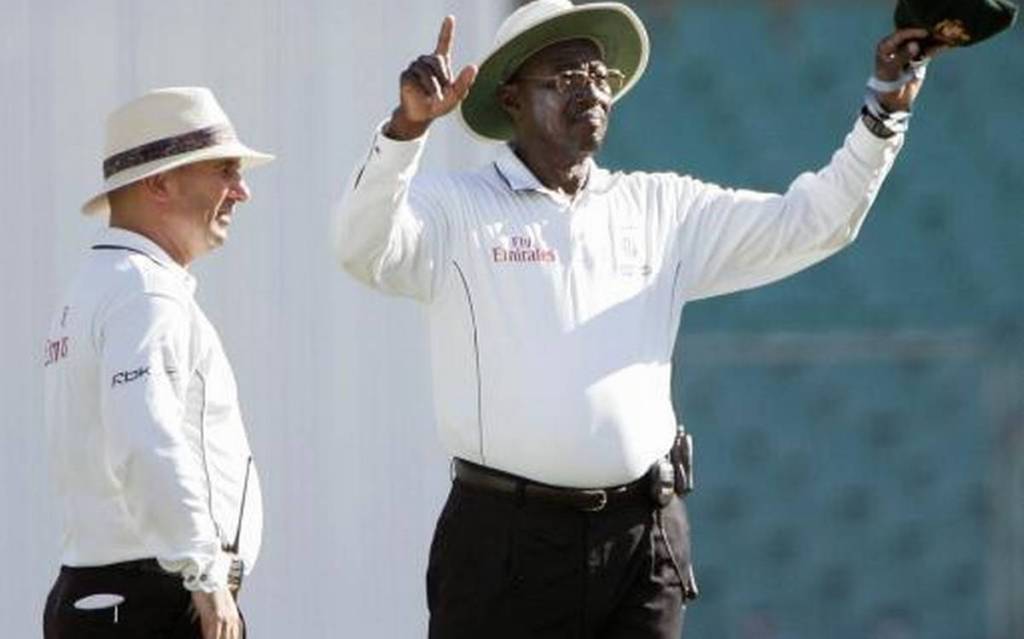
The 2 on-field umpires are the bowler’s end umpire and the leg umpire. The bowler’s end umpire gets to take most of the decisions while the leg umpire gets to call over-the-head wide balls, over-waist-high no balls, stumping chances and etc.
The 3rd umpire is waiting upstairs watching every bit of the game through screens. He is in charge of when a player or an on-field umpire refer upstairs to have a second opinion.
These are the things normally a person does know. As the 4th and 5th umpires rarely make it into a television camera, you might not know about what their responsibilities are.
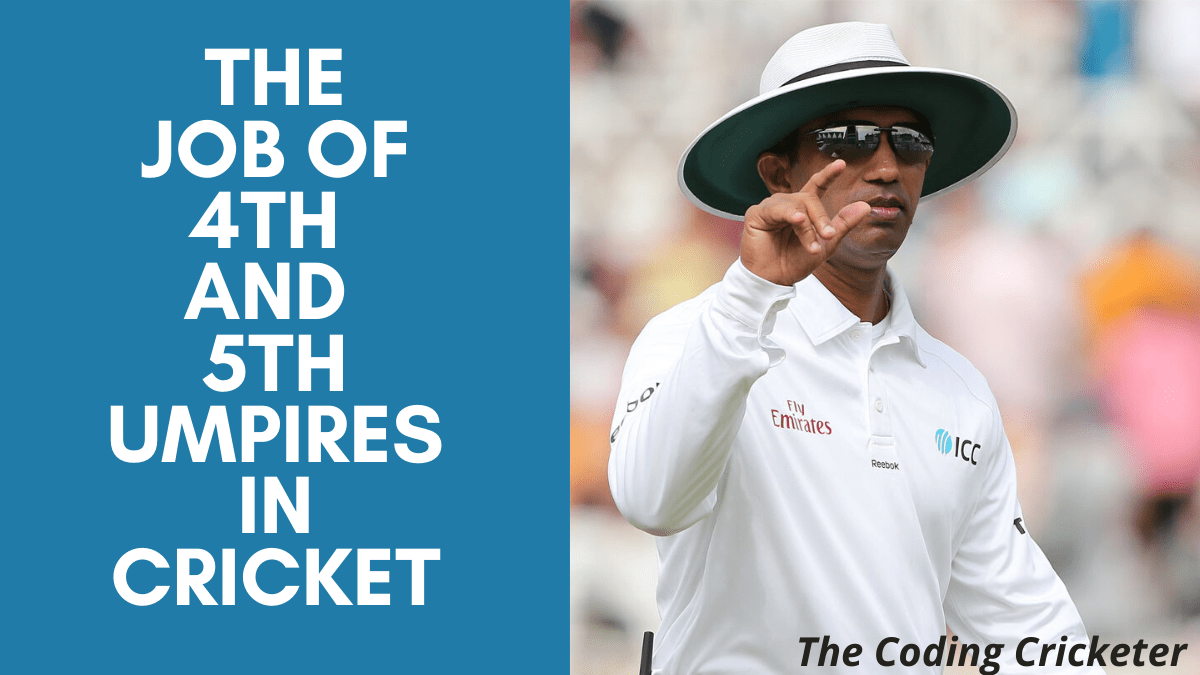
The 4th and 5th umpire,
plays the role of reserve umpire
brings on the new ball to the field
carries drinks for umpires at the drinks break
checks the batteries in the light meter
observes the pitch at lunch and tea intervals to make sure that there are no issues
keeps track of player substitutions and the time spent off the field
What if something happens to an on-field umpire and he can’t continue?
In this scenario, the 3rd umpire will take the position of the on-field umpire and the 4th umpire will take care of the duties of the 3rd umpire.
I hope you guys learned something valuable today. Thank you for reading this article. See you soon. Stay Safe ✌
Today, I am going to talk about Hawk-Eye technology in cricket and how it changed cricket once and for all. After reading this article you will realize that Hawk-Eye is not just a ball-tracking system used for DRS. Let’s hop in.
What is Hawk-Eye?
I think Wikipedia does a better job explaining what Hawk-Eye is.
How does Hawk-Eye predict the trajectory of a ball?
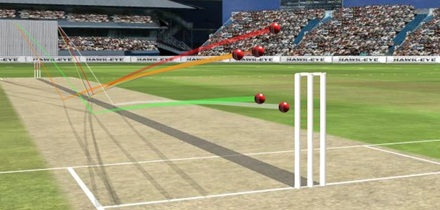
It uses video inputs from 6 different cameras which are placed around the ground and the speed of the ball as inputs. It feeds those inputs into high range algorithms where the magic happens.
How does Hawk-Eye involve in Cricket?
Making LBW decisions
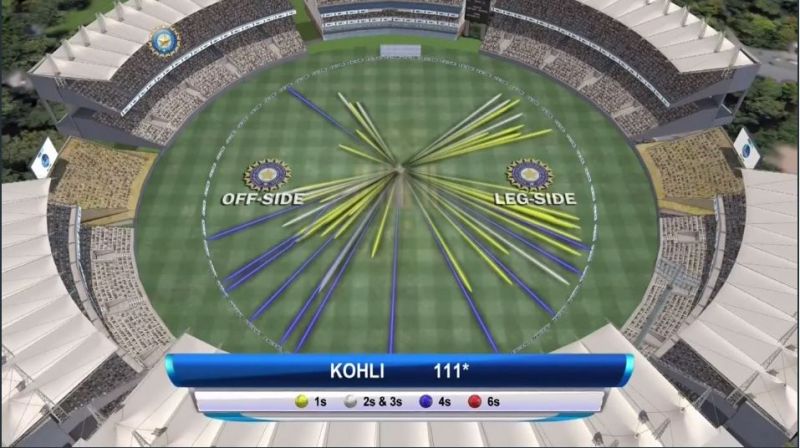
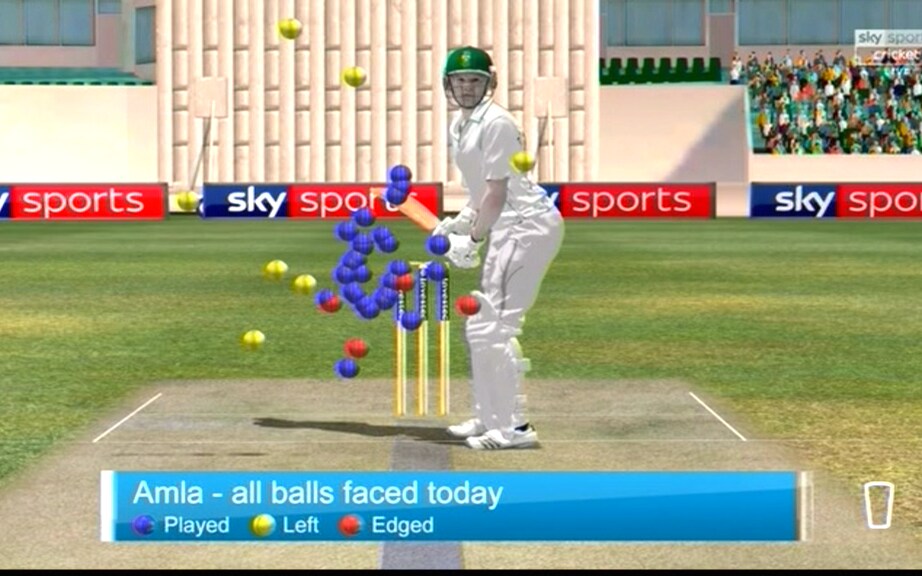
Drawing out wagon wheels
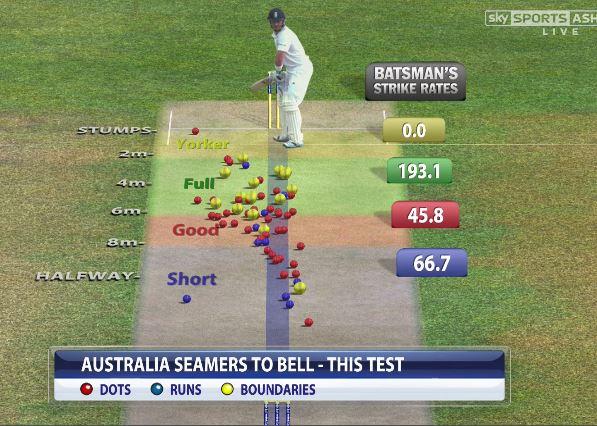
Creating pitch maps
To see how much the ball spun (or is going to spin)
Rail Cam
Beehives
Most of the things you see on the television screen when watching a cricket match are done by this technology.
Is Hawk-Eye the mother of DRS?
Hawk-Eye can predict the trajectory of a ball. This is what DRS is using.
So, all coders had to do was to write a program using those data.
Here are all the features that come under the Hawk-Eye technology.
The onfield umpires can ask for the help of the DRS if he doesn’t have enough evidence to give the decision by himself. He can use the “making a rectangle” kind of signal that is used to send it to the third umpire.
2. Player Reviews
The two teams get a certain number of reviews for each team. If the team is batting, the batsmen onfield gets to take the review. And when fielding, the fielding team’s captain can take the review.
How do you signal to take the review?
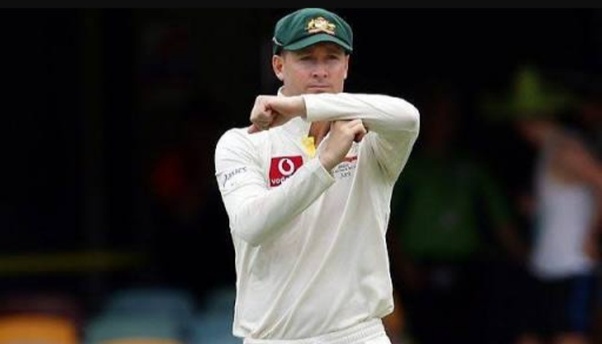
The player who is going to ask for the referral should signal a T sign with his hands.
Aussie Captain Michael Clarke Signalling To Take A Review
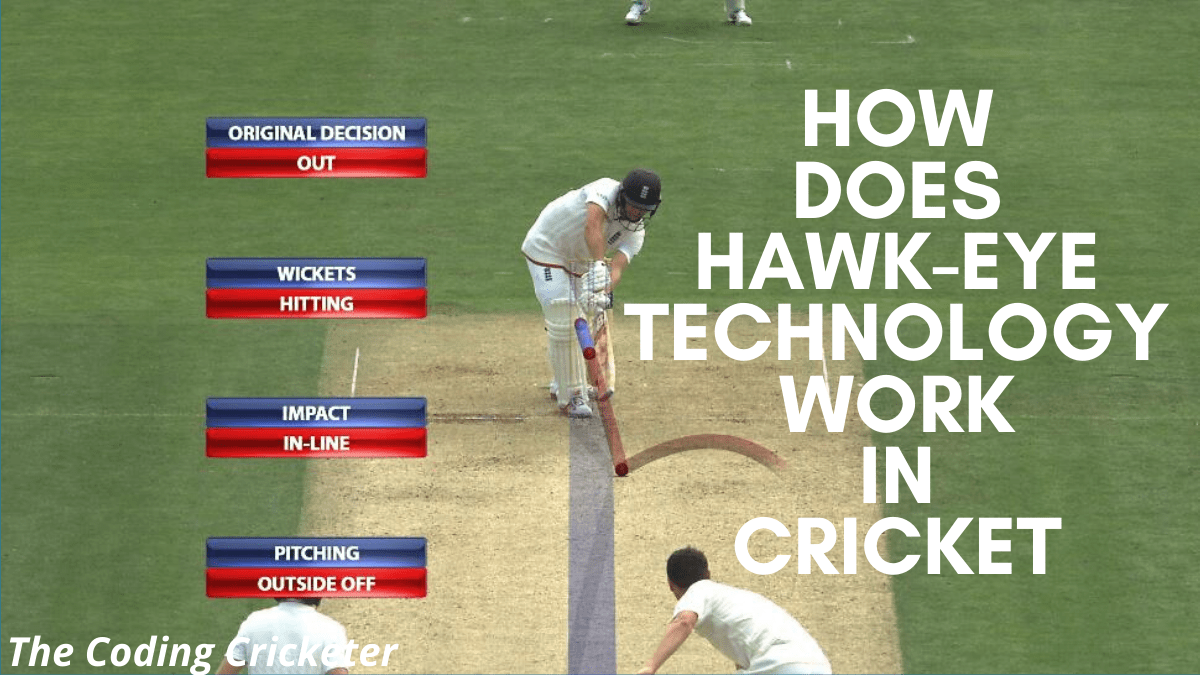
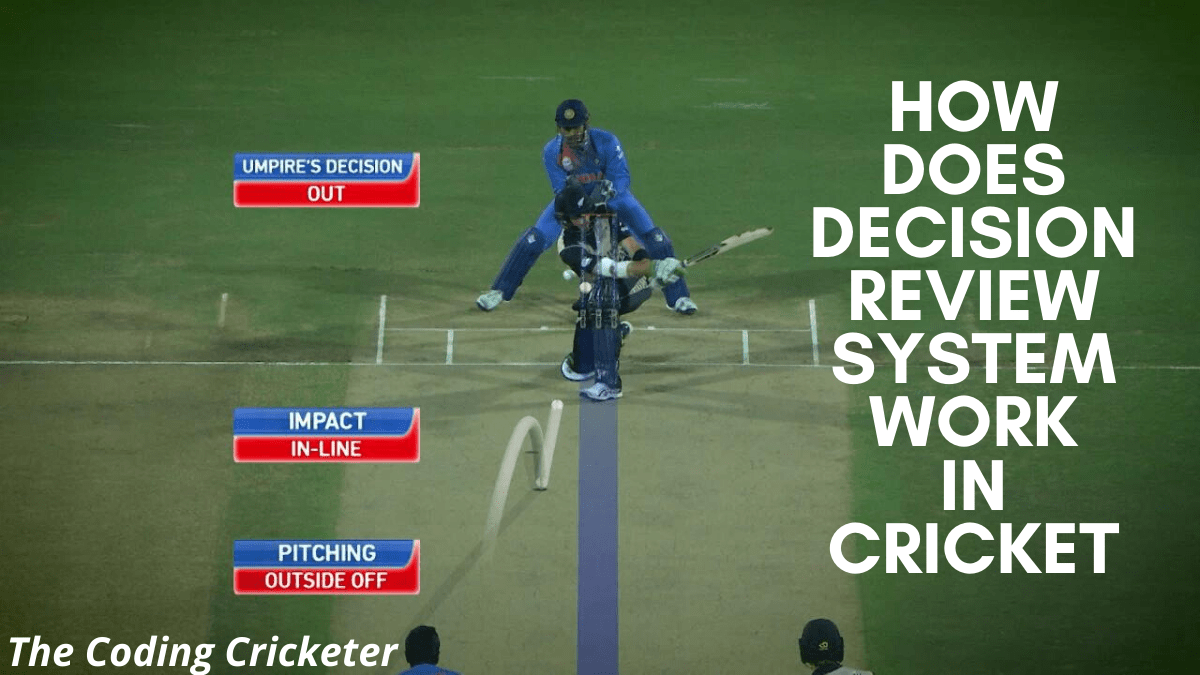
The Hawk-Eye is used to predict how the ball is going. This technology is used basically to decide if LBW decisions are correct or not.
This considers 4 basic things into when making the decision.
If the ball is a no-ball or not
Pitching ( Where did the ball pitch)
Impact ( Where did the ball hit first)
If the ball is hitting the wickets or not
I am not going to talk about how Hawk-Eye goes through the process. Read my article about Hawk-Eye to learn in-depth about this technology.
3. Edge Detection (Hot Spot and Snicko / Ultra Edge)
Hot Spot or Snicko is used to detect whether the ball hit the bat. This is very useful for players because the onfield umpires sometimes have to go with their instincts as the noise of the crowd gets too loud. This technology can catch the faintest of edges.
To learn more about Hot Spot, read my article about Hot Spot here.
I hope you learned something valuable from the article. If you have any doubts, comment down below. Thank you for taking the time to read my article. See you later ❤🙌
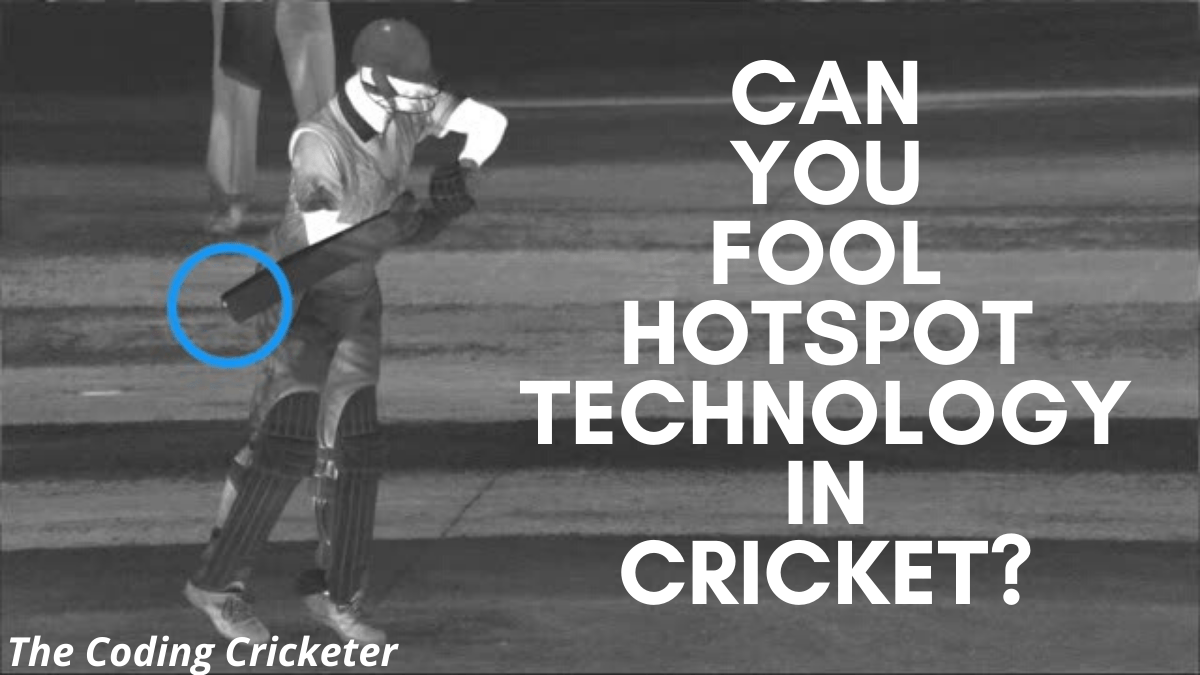
In this article, I am talking about how you can fool HotSpot Technology using a Sillicon Tape.
What is Hot Spot in Cricket?
Hot Spot is a technology in cricket where we use thermal-imaging cameras to find out if the ball hits the bat. As you know when two objects hit each other, some heat is generated on the point of collision, even though we don’t get to see it from the naked eye. But the thermal-imaging cameras can detect that exact point where the heat is generated. The point of collision can be seen as a white spot when a negative image is produced. Mainly, this is used to find out if the ball hits the bat or not. But, this technology is not 100% accurate.
Can Hot Spot Be Fooled?
Yes. It can be fooled. A set of scientists claims that if a batsman uses two layers of silicon tape in his bat, the heat generated from the collision of the ball hitting the bat is reduced drastically from the tape and hence the Hot Spot will not show the spot even if the ball hit the bat. The silicon tape reduces the friction on the impact between the ball and the bat.
Where Does Silicon Tape Come In?
Cricketers usually use tapes to repair their bats. The suspicion was that batsmen could be using silicon tape rather than the allowed tape which it that case gives them a potential advantage against faint edges.
Where did it all begin?
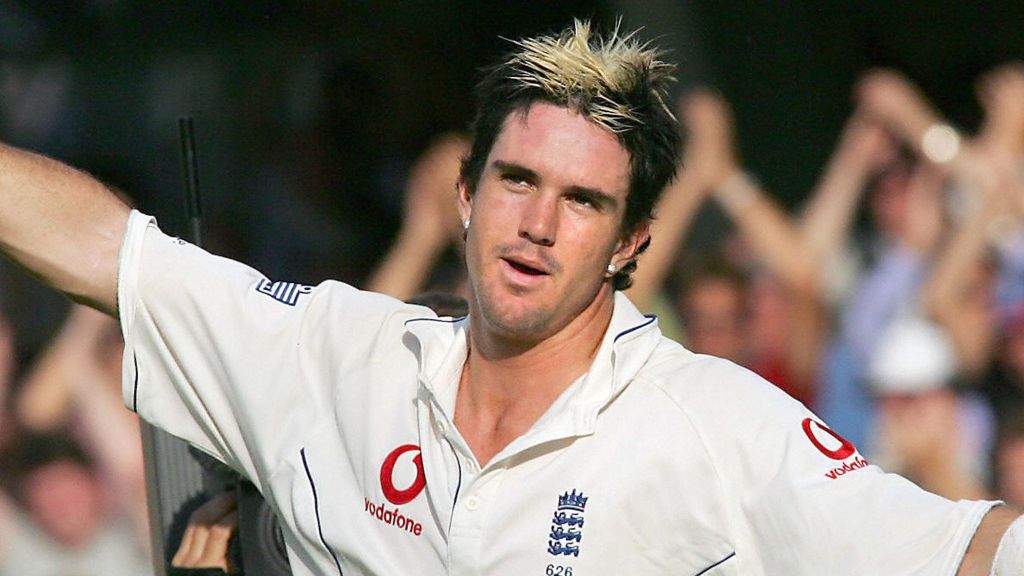
All these things were found out because of one incident. In the 5th test match of the Ashes series 2013, Kevin Peterson was accused from Australia’s Channel 9 for using silicon tape because even though the Snicko technology clearly showed that there was an edge, the HotSpot did not have a clue. Everyone wondered what happened because the edge was visible in the Snicko with a big spike. Kevin Peterson denied all the accusations made against him. However, this incident pushed us into finding out a big discovery in Cricket.
This is why we can see most of the tournaments tend to use Snicko/RTS more rather than Hot Spot. Even if they use Hot Spot, they use it along with Snicko.
I hope you enjoyed reading the article. Thank you for taking the time to read the article. See You Tomorrow ❤🙌
In this article, I am discussing about the reason why the batsman is not out when the ball is pitching outside leg
Have you ever wondered?
Have you ever gone crazy because your team lost a review just because the ball was pitching outside leg stump? Anyone can say that it hits the stump at a glance. You may have thought yo yourself that it is so unfair for the bowling side. Well, you are kind of right. This law is biased in favour of the batsman.
Why this law was introduced in the first place?
When a bowler is bowling from the legside of the batsman, naturally the leg of the batsman meets the ball before the bat. So if we consider the batsman can be out LBW even if the ball pitches outside the leg stump, it would be unfair to the batsman. The bowler’s job would be pretty easy.
But when a bowler bowls from the offside of the batsman, naturally the bat comes first before the leg of the batsman. Hence, if the ball pitches outside the off stump and goes on to hit the wicket, it can be given out as LBW.
What are your thoughts about this law? Comment down below.
Hope you guys learned something valuable today. Thank you for taking the time to read this article. See you tomorrow with another interesting article.
In this article, I am discussing about how you can calculate the net run rate in cricket by yourself.
What is Net Run Rate?
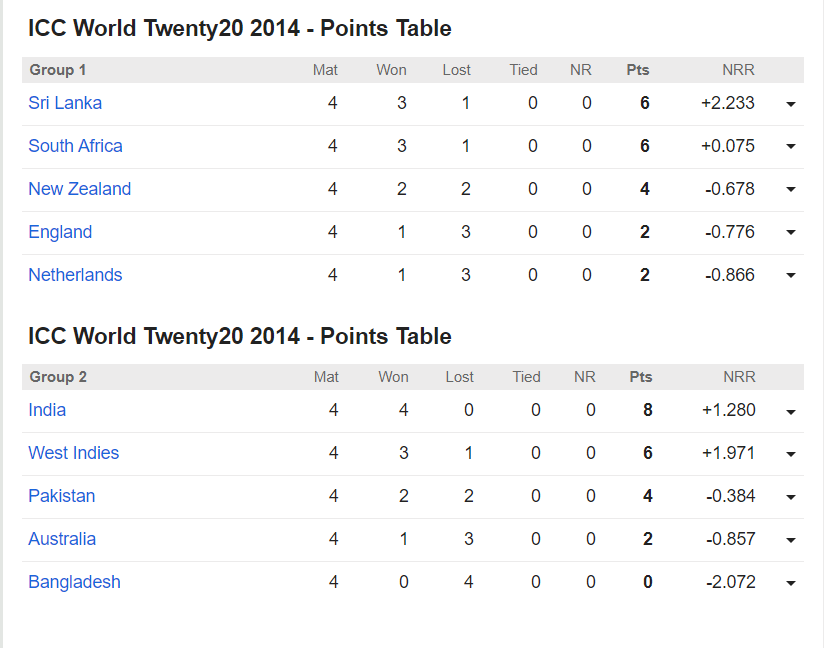
If you have ever watched a points table of an international cricket tournament, you may have seen a column called the “NRR” at the end. If the total points of two teams are equal, the team with the higher NRR stays up in the table. So, for a cricket fan, it is kind of a big deal to know about that, right?. That “NRR” stands for Net Run Rate. You may already know that. But have you ever wondered how it is calculated? Well, If you have, I have good news for you. Today I am going to teach you guys how to calculate the Net Run Rate so that you won’t have to stay curious whether your team will get selected to the top 4 or not.
Only those matches where results are achieved will count for the purpose of net run rate calculations. Where a match is abandoned, but a result is achieved under Duckworth/Lewis, for net run rate purposes Team 1 will be accredited with Team 2’s Par Score on abandonment off the same number of overs faced by Team 2. Where a match is concluded but with Duckworth/Lewis having been applied at an earlier point in the match, Team 1 will be accredited with 1 run less than the final Target Score for Team 2 off the total number of overs allocated to Team 2 to reach the target.
Let me explain this one with a simple example.
Team A and Team B play a T20 match. Team A bats first and halfway through the innings, the rain interrupts the match. The match gets reduced to a 15-over game. Team A gets a total of 135 runs in their 15 overs.
Rain interrupts the match again and makes it a 12-over game. Let’s say Team B gets a target of 100 runs in 12 overs ( This is not the real target. I am just making it up). Let’s say Team B wins the match in 10 overs.
What is the NRR of Team B according to these details?
Runs Conceded = 100 (1 run less than the final target score for Team B)
Overs = 12 ( Same number of overs allocated to Team B)
Runs Conceded Rate = 100/12 = 8.333




 The Coding Cricketer